
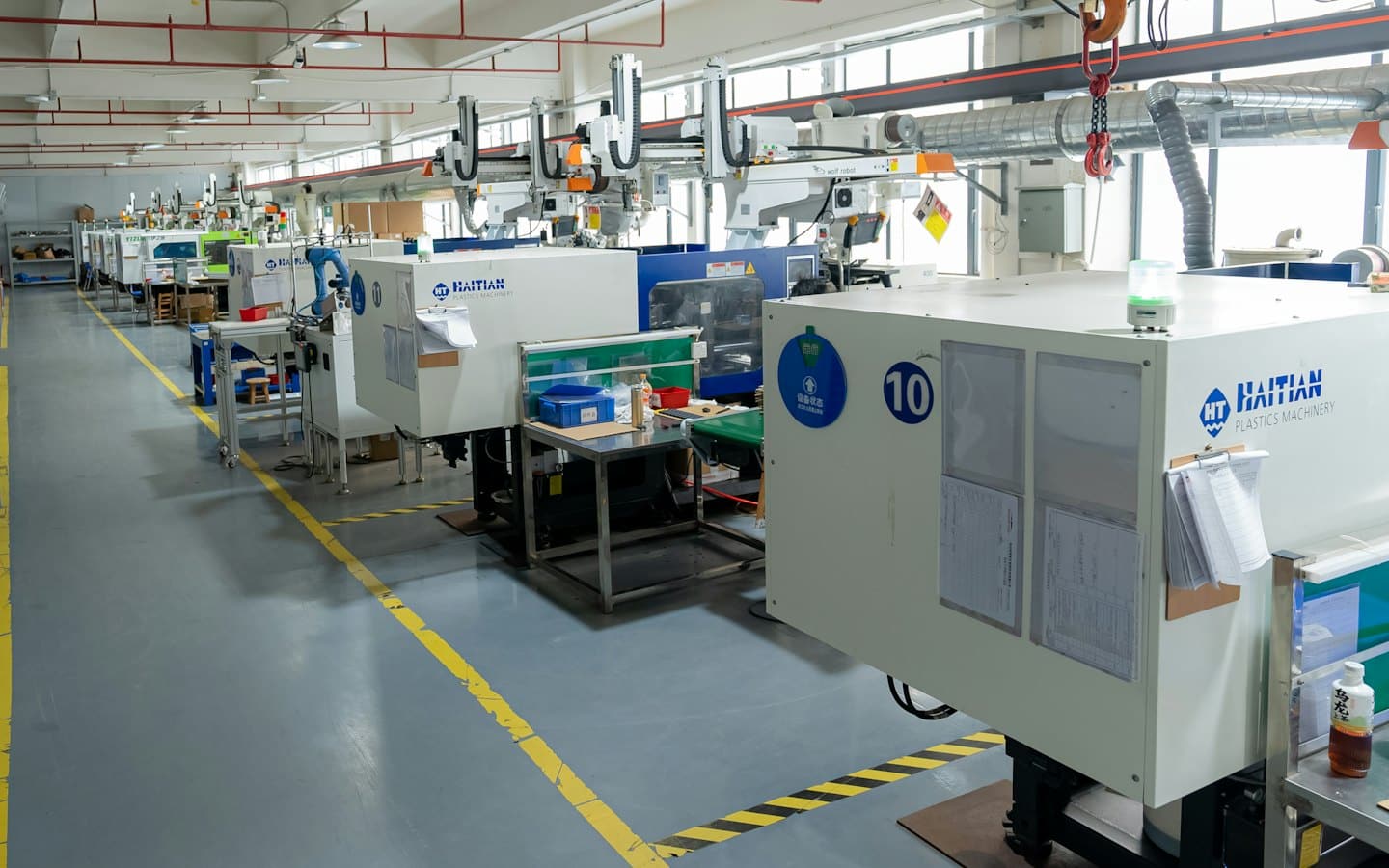
Latest ERP Trends and Factory Insights
Explore our latest articles and expert guides on ERP implementation and real-time manufacturing execution systems.
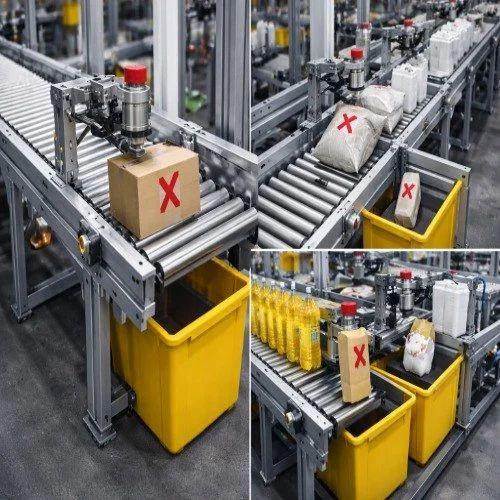
From Material Batch to Finished Component: Making Manufacturing Traceability Easier
For manufacturing directors, traceability is about more than quality records. It is about controlling risk, protecting margins and maintaining customer confidence.
When a customer reports a defective component, how quickly can your team identify the batch, production conditions, inspection results and affected deliveries?
Disconnected spreadsheets and manual records can turn a straightforward investigation into hours of searching, delaying decisions and increasing costs.
An integrated MES and ERP system connects the entire manufacturing journey, from incoming material and supplier batches through to production, quality inspection and final dispatch.
This gives management greater visibility, helping teams identify problems early, minimise waste, reduce the impact of quality issues and make better-informed decisions.
It also supports faster customer responses and more effective supplier accountability.
Better traceability means greater operational control, reduced business risk and a stronger foundation for profitable manufacturing.
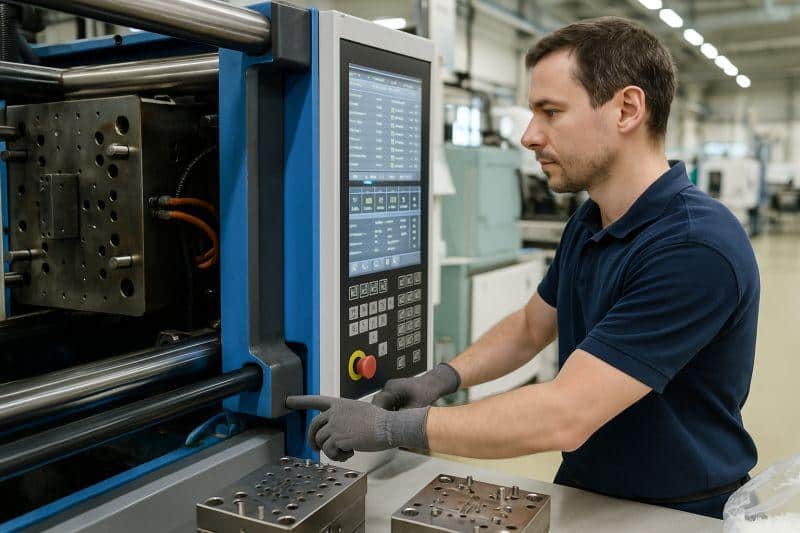
The Hidden Cost of Scrap and Changeovers in Packaging Manufacturing
For manufacturing directors, production costs are not just about raw materials and labour. Scrap, rejected units, short stops and frequent changeovers can quietly erode profitability.
Every rejected unit represents wasted material, machine time, energy and labour. Short stops reduce productive capacity, while changeovers consume valuable production time that could otherwise be generating saleable output.
The real impact becomes clearer when measuring cost per good unit rather than simply cost per unit produced.
MES production monitoring helps identify these hidden losses, improve efficiency and protect margins.MES production monitoring helps identify losses, improve scheduling and reduce unplanned overtime.
Better production planning also eases pressure on employees, supports staff wellbeing and creates a more sustainable working environment.
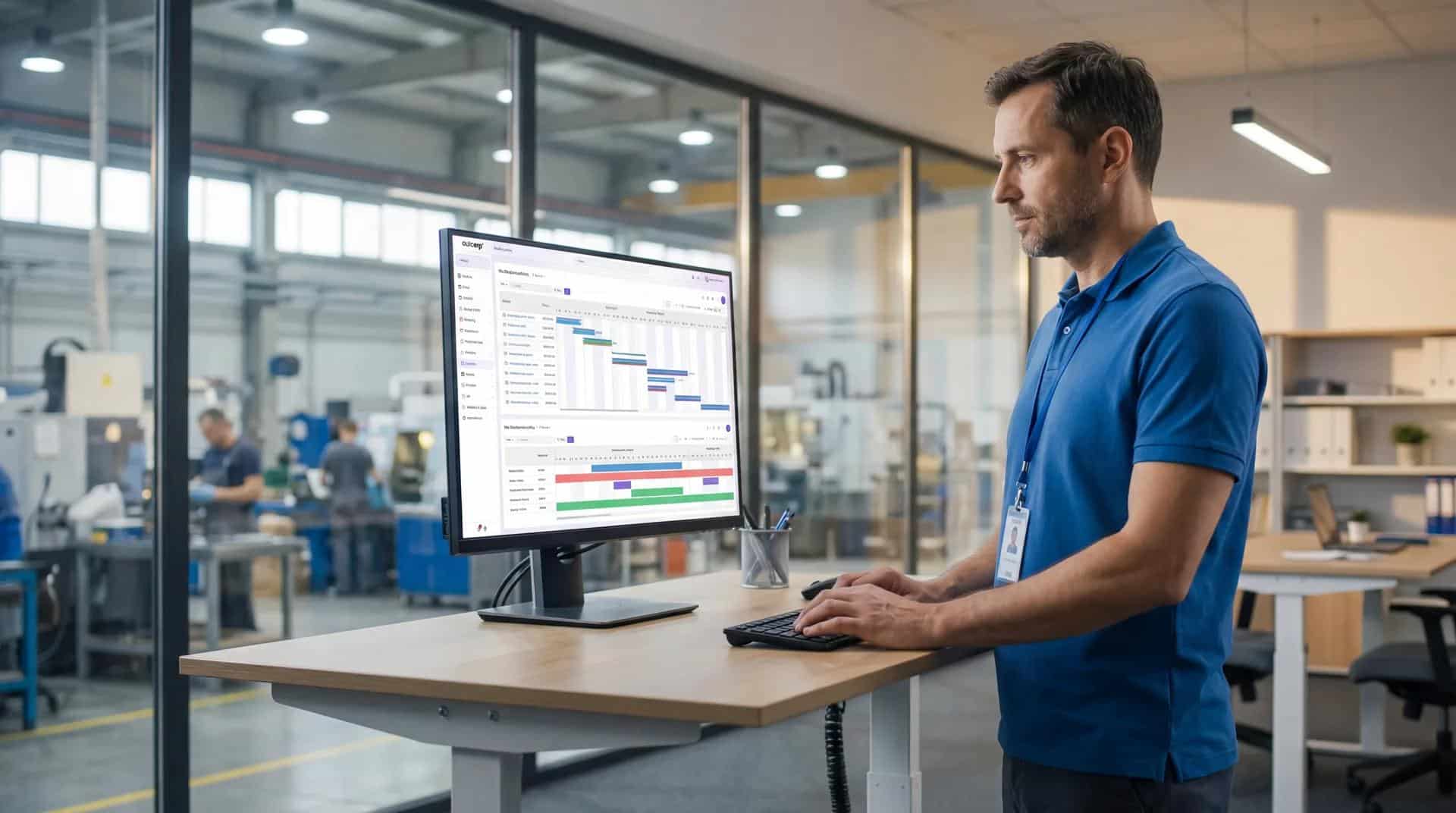
Preparing Your Data for an ERP Implementation
A successful ERP implementation starts long before the software goes live. One of the most important steps is preparing your existing manufacturing data.
For manufacturers, information is often spread across spreadsheets, separate systems and paper records. Duplicated product codes, outdated stock figures, inconsistent supplier details and incomplete bills of materials can create problems when transferring information into a new ERP system.
Before implementation, review and clean your data. Check product and material references, customer and supplier records, stock quantities, production routings, machine details and bills of materials.
Remove duplicates, correct inaccuracies and agree consistent naming conventions. Involving purchasing, production, warehouse and finance teams helps ensure that information reflects actual business processes.
For manufacturing directors, good data preparation reduces implementation risks, avoids costly disruption and helps employees adopt the new system with confidence. Clean, accurate data provides the foundation for reliable reporting, better decisions and a more effective ERP investment.

Elevate Your
Manufacturing Operations Today
Discover expert advice and industry insights designed to help small and medium plastic molding companies optimize their shop floor efficiency and scale their operations globally.